“Records indicate ancient peoples attached significance to baby teeth after they were shed. ”
— ORIGINS
“ In Norse mythology it was believed that teeth were valuable and brought good luck in battle. The Viking warriors would pay children for teeth.”
“ There was an ancient tradition of tand-fé or tooth fee, which was paid when a child lost its first tooth. This is recorded as early as the Icelandic Poetic Edda.”
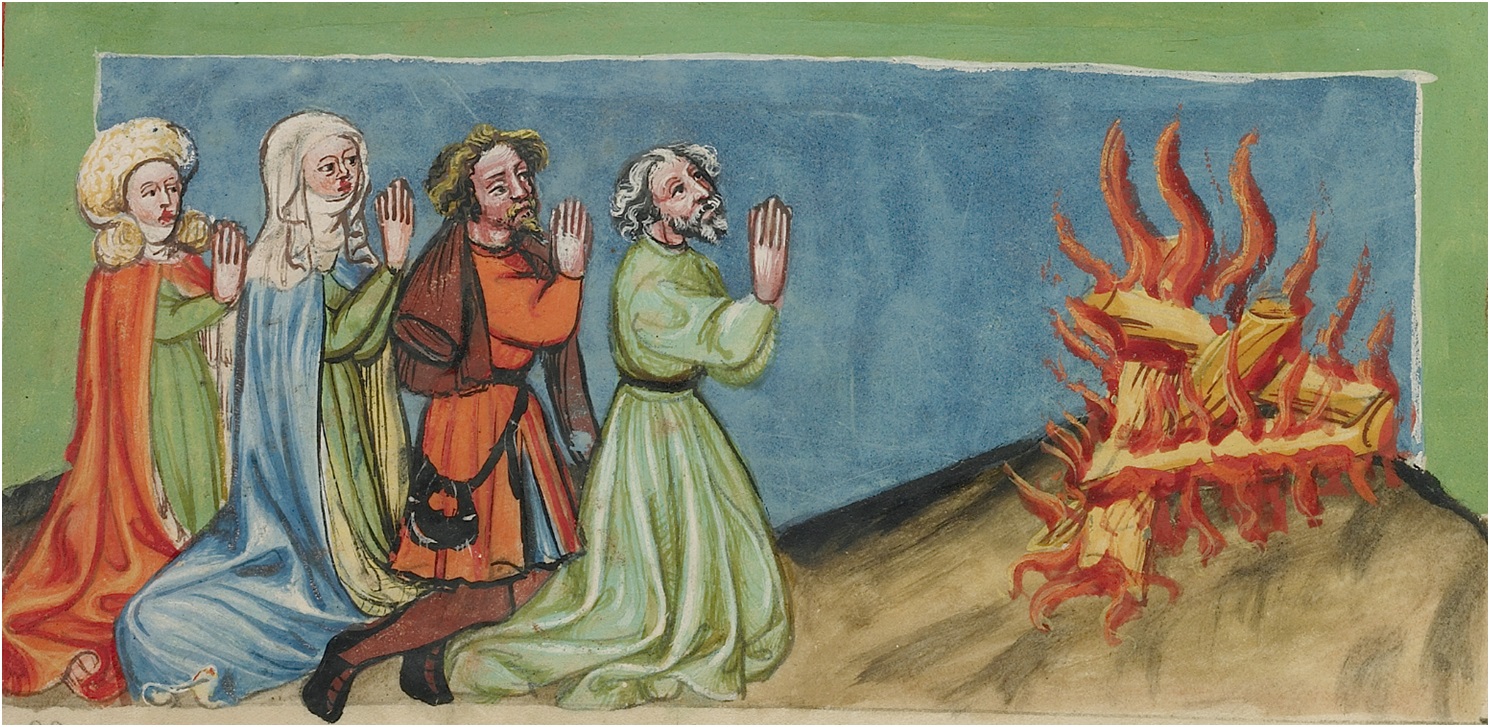
“ In the medieval Europe, teeth were tossed into a fire along with salt to prevent bad luck, prevent children from growing a dog’s tooth in its place, or keep the children from having to seek their tooth after death if it was not in their possession.”
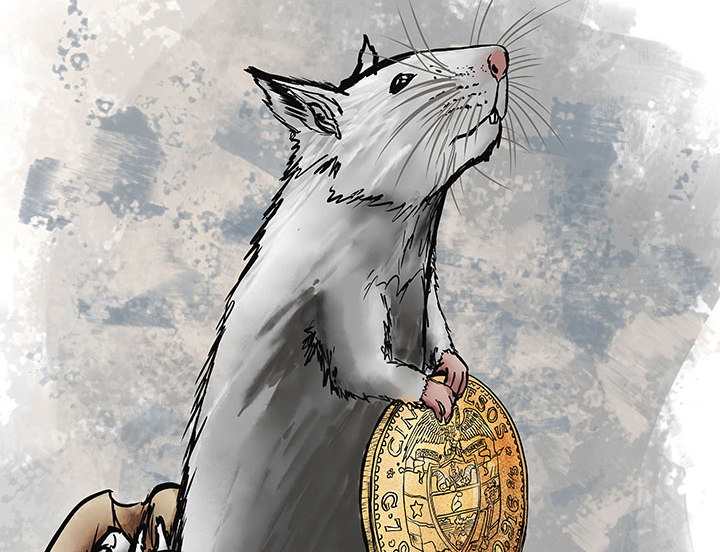
“ It is believed that the tooth fairy may have first come to us from a 17th century French fairy tale by Baroness Dulnois. The story is called, The Good Little Mouse or (La Bonne Petite Souris) and is about a fairy who turns into a mouse in order to help defeat an evil king. During the tale, the fairy mouse hides under the king’s pillow and takes all of his teeth while he sleeps.
“ The next literary reference is almost 200 years later, when a writer named Luis Coloma uses an existing fictional character named Raton Perez in a story about a mouse who would regularly run away from home, and find his way into the bedrooms of children who had just lost their teeth. The story was written for Alfonzo the 13th (son of the King of Spain) who had just lost a tooth.
Link to a narration of the story in Spanish followed by a narration in English. Link to Raton Perez House Museum in Madrid”
“ Many Spanish-speaking regions of the world have continued the story of “El Ratoncito Pérez” (Perez, the Little Mouse). In some regions of Mexico, Guatemala, Peru and Chile, he is called “El Ratón de los Dientes” (The Tooth Mouse). In Argentina, Venezuela, Uruguay and Colombia, he is simply known as “El Ratón Pérez” (Perez the Mouse).
Link to an English version of El Ratón Pérez, a 2006 Argentine film.”